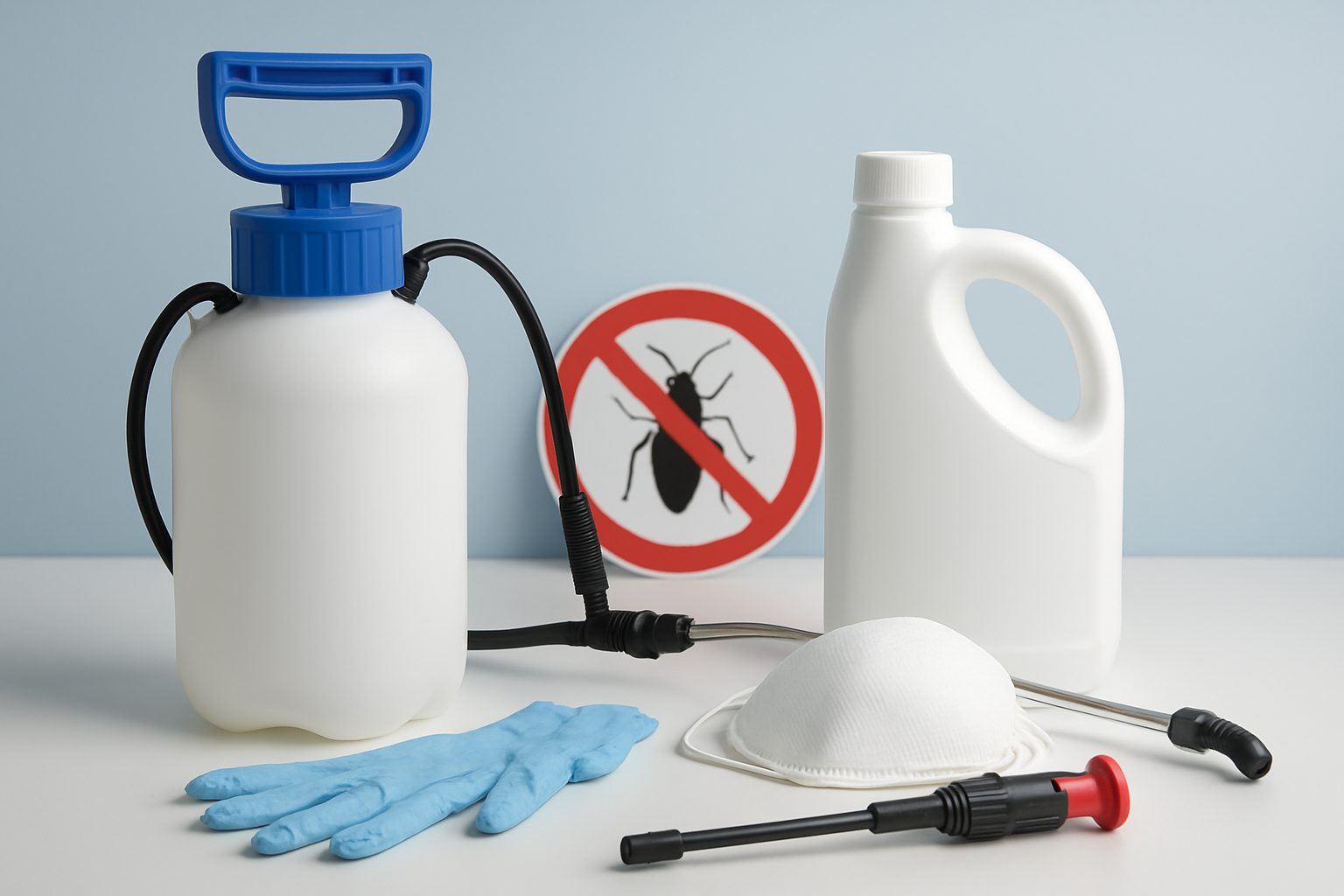






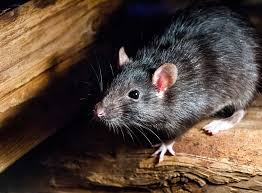
Rats can chew through wiring and damage insulation. They can also contaminate food and surfaces. In fact, they can spread diseases through their urine, feces, and saliva. Thankfully, these rodents can be effectively controlled with the right expertise and strategies. That is why providers of Redmond pest services do their jobs by inspecting a property, removing rats, and preventing future infestations. Here’s what professionals at Pointe Pest Control do when handling rat infestations:
Inspect and Assess
Technicians look for signs of rat activity, such as droppings, gnaw marks, tracks, and urine stains during inspections. They also identify entry points, nesting areas, and feeding locations. Professionals evaluate the property, noting potential vulnerabilities in the structure and yard. This allows them to choose the right treatment methods and ensures all areas at risk are addressed.
Identify Rat Species
Different rat species require slightly different approaches. So, professionals determine the species to effectively target the colony. Norway rats burrow near foundations and basements. Roof rats favor higher locations such as attics and trees.
Use Traps
Professionals place traps along walls, behind objects, and near active areas where rats travel. They monitor traps regularly to ensure effectiveness and safety. Professionals adjust placement based on activity and behavior, which reduces the risk of rats avoiding traps.
Use Rodenticides and Baits
Professionals may use rodenticides when handling serious infestations. These baits are formulated to attract rats and eliminate the colony over time. Professionals apply baits in tamper-resistant stations to protect children, pets, and non-target wildlife. They monitor bait stations and replace or move them as needed.
Employ Exclusion Techniques
Professionals identify gaps around doors, windows, vents, plumbing lines, and foundations. They use materials such as steel wool, metal flashing, and caulk block access. Roof rats and Norway rats exploit different areas, so comprehensive sealing ensures all potential pathways are addressed. Exclusion reduces reinfestation after removal and limits damage to property.
Remove Nests and Burrows
Professionals locate and remove rat nests to disrupt colonies. Burrows near foundations or gardens provide protected habitats. Removing or treating these sites reduces reproduction and limits the number of rats surviving on the property.
Ensure Sanitation and Environmental Control
Professionals assess sanitation practices and recommend improvements. Proper trash storage, sealed compost bins, and food storage reduce attractants. Yard maintenance, such as trimming shrubs and removing debris, eliminates shelter near the home.
Monitor and Follow-Up
Professional rat control includes ongoing monitoring. After initial treatment, technicians inspect the property for new signs of activity. Follow-up ensures that reinfestation is addressed quickly. They check traps, bait stations, and entry points. Continuous observation helps maintain control and identifies potential problems before they escalate.
Implement Integrated Pest Management
Many professionals use an integrated pest management (IPM) approach. This strategy combines multiple techniques, including inspection, trapping, baiting, exclusion, and environmental adjustments. IPM focuses on long-term prevention. It considers the behavior and biology of rats, the home’s structure, and the surrounding environment.
Give Education and Advice for Homeowners
Professional service includes guidance for homeowners. Residents learn how to recognize early signs of rat activity, maintain sanitation, and prevent access points. Professionals may suggest structural modifications, such as repairing damaged vents or adjusting irrigation practices, to reduce risk. When informed, homeowners can contribute to the success of control efforts by maintaining conditions that discourage rats.
Combine Methods for Maximum Effect
Experts use traps, baits, exclusion, sanitation, and monitoring to eliminate current infestations and reduce the risk of return. They adjust techniques based on property size, rat species, and the severity of the infestation.
Redmond pest control professionals combine their knowledge of biology, behavior, and local environment to combat rats effectively. They create a complete program tailored to every property. This program includes processes, such as inspection, removal, exclusion, sanitation, and follow-up.