





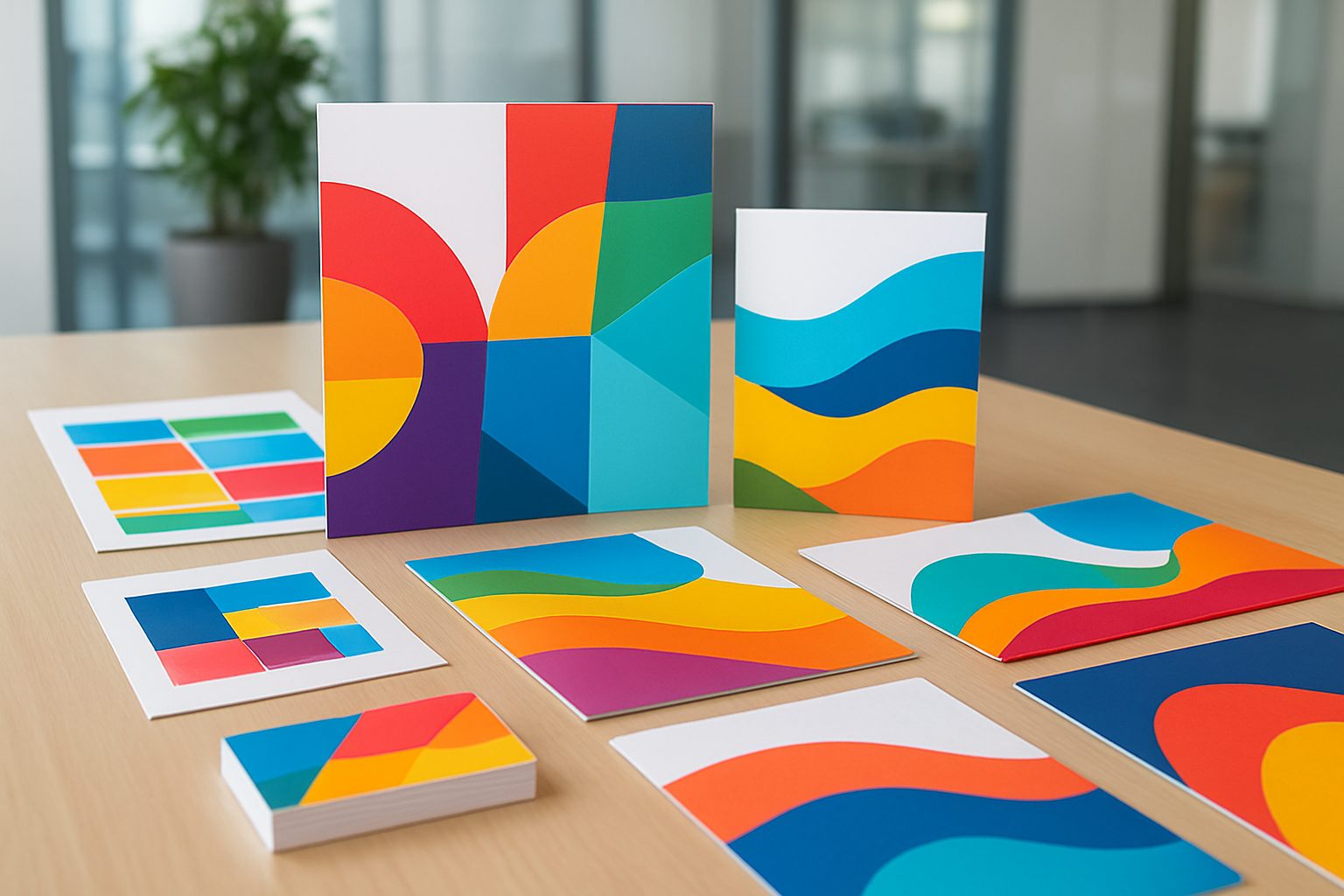
Creative printing gives businesses an opportunity to turn visual ideas into practical brand experiences. From distinctive packaging and promotional pieces to professional stationery and event materials, printed products can be designed around specific goals rather than limited to standard formats. Custom Printing Services provide the flexibility to experiment with sizes, materials, colors, finishes, and layouts while maintaining a polished appearance. This combination of creativity and production flexibility enables brands to develop physical materials that support communication, marketing, and customer engagement.
Table of Contents
- What Makes Custom Printing a Creative Opportunity?
- How Can Brands Turn Ideas Into Printed Products?
- Which Materials Offer Room for Creative Expression?
- Why Does Format Matter for Creative Projects?
- How Do Colors Shape a Printed Experience?
- Can Finishing Options Add Creative Detail?
- How Can Creative Print Support Product Branding?
- Does Custom Printing Encourage Campaign Creativity?
- How Can Businesses Balance Creativity With Professionalism?
- What Role Does Material Selection Play?
- How Can Creative Printing Support Brand Growth?
- Conclusion
What Makes Custom Printing a Creative Opportunity?
Traditional business materials often follow familiar formats, but modern printing gives brands more room to explore different approaches. A printed product can be designed around its intended purpose, audience, and visual identity.
Creative freedom may involve an unusual layout, a distinctive color combination, a carefully selected paper texture, or a format designed specifically for an event or campaign.
The result can be a physical product that feels more connected to the brand rather than simply serving as a basic information carrier.
How Can Brands Turn Ideas Into Printed Products?
A creative project usually begins with a concept. Designers then develop that concept into artwork that can be adapted for physical production.
During this transition, practical details become important. Dimensions, resolution, margins, color settings, paper characteristics, and finishing requirements all influence the final result.
An organized printing process allows businesses to review these elements before production. This creates a smoother connection between the original creative idea and the finished product.
Which Materials Offer Room for Creative Expression?
Almost every printed business material can provide a creative opportunity. Brochures can combine editorial layouts with strong imagery, while postcards can focus on a single memorable message.
Packaging inserts can introduce personalized communication, labels can reinforce product identity, and presentation folders can combine functionality with branded design.
Business cards can also become distinctive brand assets through thoughtful typography, color combinations, and material choices.
Why Does Format Matter for Creative Projects?
The physical format influences how customers interact with a printed item. A compact card may be ideal for direct networking, while a larger poster can communicate visually from a distance.
Brochures offer more room for storytelling, whereas promotional cards can deliver a focused message quickly. Selecting the right format allows the design to perform its intended function effectively.
Custom printing gives businesses the flexibility to select formats according to the concept instead of forcing every project into the same structure.
How Do Colors Shape a Printed Experience?
Color can influence visibility, recognition, and overall brand character. Businesses can use established brand colors to create consistency or introduce complementary shades for specific campaigns.
A carefully planned color palette can help establish hierarchy within a design. Stronger tones can draw attention to important information, while supporting shades can create balance.
Maintaining accurate color reproduction also helps ensure that the printed material remains connected to the company’s broader visual identity.
Can Finishing Options Add Creative Detail?
Finishing can introduce another dimension to a printed product. Surface treatments and other available production features can influence texture, appearance, and presentation.
A sophisticated corporate design may benefit from understated finishing, while a promotional piece may use additional visual or tactile details to create interest.
The most effective choices are those that complement the artwork and support the intended purpose of the material.
How Can Creative Print Support Product Branding?
Physical products can benefit from carefully designed printed elements. Labels, inserts, sleeves, cards, and packaging materials can communicate product information while reinforcing the brand.
A consistent design language across these elements can make products easier to identify. At the same time, campaign-specific graphics can introduce variety for new releases or seasonal collections.
This gives businesses a flexible way to develop product presentation without abandoning their established identity.
Does Custom Printing Encourage Campaign Creativity?
Marketing campaigns often provide an ideal environment for creative experimentation. Businesses can create print materials around launches, events, seasonal activities, promotional periods, and customer engagement initiatives.
A single campaign concept can be adapted across multiple formats. For example, a visual theme can appear on postcards, brochures, posters, and display materials while being adjusted for each product’s dimensions.
This creates a unified campaign while allowing each printed asset to serve a different purpose.
How Can Businesses Balance Creativity With Professionalism?
Creative design works best when it remains easy to understand and aligned with the brand. Visual experimentation should support communication rather than make important information difficult to find.
Businesses can maintain professionalism through consistent typography, logical layouts, appropriate imagery, and carefully selected colors.
When creativity and clarity work together, printed materials can be visually engaging without losing their practical purpose.
What Role Does Material Selection Play?
Material selection can influence how a creative design is experienced physically. Paper weight, texture, and finish can change the look and feel of a printed product.
A premium material can complement an elegant brand identity, while a lightweight option may be suitable for materials intended for wide distribution.
Choosing the right material ensures that physical characteristics support the concept rather than competing with it.
How Can Creative Printing Support Brand Growth?
As businesses grow, their creative requirements often expand. New products, services, audiences, events, and campaigns create opportunities for additional printed materials.
Custom printing allows businesses to develop new products while preserving their recognizable visual identity. Existing brand assets can be adapted into fresh formats, making the creative process more scalable.
This approach supports ongoing brand development and gives businesses greater freedom to explore new ways of presenting their message.
Conclusion
Creative printing transforms ordinary business materials into opportunities for visual storytelling and brand expression. Custom printing provides businesses with the flexibility to explore different formats, materials, colors, finishes, and layouts while maintaining professional standards.
Whether the goal is distinctive packaging, memorable promotional material, engaging event pieces, or polished corporate stationery, customized print can turn creative concepts into tangible experiences. With thoughtful design and purposeful production choices, businesses can explore new possibilities while building a recognizable and consistent physical brand presence.
The Short Version
- Creative printing allows for customized design of business materials tailored around specific goals rather than standard formats.
- The transition from concept to physical product requires careful attention to practical details such as dimensions, resolution, and color settings.
- Color choice in printed materials influences visibility, recognition, and alignment with brand character, impacting overall design effectiveness.
- Finishing options in printing can enhance texture and presentation, offering an additional layer of creativity that supports the intended purpose of the material.
- Custom printing enables businesses to adapt a single campaign concept across multiple formats while maintaining a cohesive visual identity.
- Material selection plays a crucial role in shaping the physical experience of a printed product, affecting its overall look and feel.