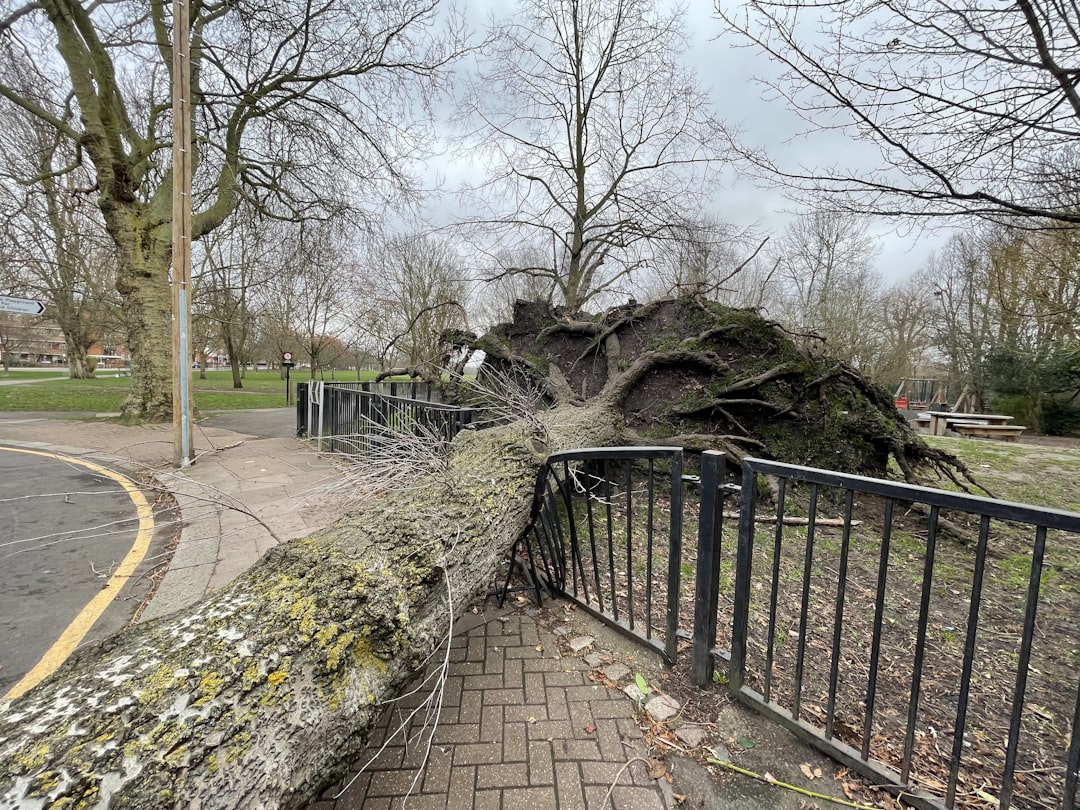




Healthy trees add lasting value to properties by providing natural beauty, shade, environmental benefits, and a stronger outdoor atmosphere. However, trees can experience changes over time due to weather conditions, soil quality, age, and natural growth patterns. Identifying these changes early is an important part of responsible landscape care. Professional tree health assessment services help property owners understand the condition of their trees, recognize potential concerns, and create effective maintenance plans that support long-term growth, stability, and overall landscape improvement.
Why are tree health assessments important for property owners?
Trees often show signs of stress gradually, making problems difficult to notice without proper knowledge. A professional assessment provides a detailed understanding of tree condition, allowing property owners to make informed decisions about care. Regular evaluations help maintain tree strength, improve safety, and support healthier landscapes throughout every season.
What happens during a professional tree health evaluation?
A tree health evaluation involves examining multiple factors that influence growth and stability. Professionals review tree structure, branches, leaves, roots, soil conditions, and surrounding environmental factors. This detailed approach helps identify strengths, areas requiring attention, and suitable maintenance practices based on the specific needs of each tree.
How can early detection improve tree care?
Early identification of concerns often leads to more effective solutions. Signs such as unusual leaf changes, reduced growth, damaged branches, or environmental stress can indicate that a tree requires attention. Assessments help address these conditions before they become more challenging, allowing trees to maintain better health over time.
Why is understanding soil condition important for trees?
Soil plays a major role in tree development because roots depend on proper nutrients, moisture, and oxygen availability. Poor soil conditions can affect growth and overall stability. Evaluating soil quality during a tree assessment helps determine whether improvements are needed to create a healthier environment for root systems.
How do tree assessments support preventive maintenance?
Preventive care focuses on protecting trees before serious issues develop. Regular assessments allow property owners to understand seasonal needs, identify possible risks, and schedule appropriate maintenance. This proactive approach encourages stronger growth while reducing the possibility of unexpected tree-related concerns.
Why is tree structure evaluation valuable?
A tree’s structure influences both appearance and safety. Professionals examine branch arrangement, trunk condition, and overall balance to determine whether a tree is developing properly. Understanding structural health helps support better maintenance decisions while preserving the natural beauty and strength of the tree.
How do assessments contribute to better landscape planning?
Healthy trees are an important part of successful landscape design. Knowing the condition and future growth potential of existing trees allows property owners to plan outdoor spaces more effectively. Professional evaluations help ensure trees continue complementing the landscape while maintaining their health and functionality.
What are the benefits of regular tree monitoring?
Trees continue changing as they mature, making ongoing observation valuable. Regular monitoring allows professionals to track development, identify improvements, and adjust care strategies when necessary. Consistent attention helps extend tree lifespan and keeps landscapes looking vibrant and well-maintained.
How does professional tree knowledge improve decision-making?
Every tree has unique characteristics based on species, location, age, and environmental conditions. Professional expertise helps property owners avoid unnecessary treatments and focus on solutions that match the tree’s actual needs. This informed approach promotes responsible care while protecting the long-term value of the landscape.
Why should tree health be considered a long-term investment?
Trees provide benefits that increase over time when properly maintained. Healthy trees improve outdoor spaces, contribute to environmental balance, and enhance property appeal. Investing in regular assessments helps protect these advantages while ensuring trees remain strong, attractive, and beneficial for future years.
Conclusion
Maintaining healthy trees requires awareness, planning, and professional evaluation. Tree health assessments provide valuable insights into current conditions while helping property owners develop effective care strategies. Through early identification, preventive maintenance, and informed decision-making, trees can continue to thrive and enhance landscapes. Regular professional attention supports stronger growth, improved safety, and long-lasting natural beauty, making tree health assessment an important part of responsible property care.