



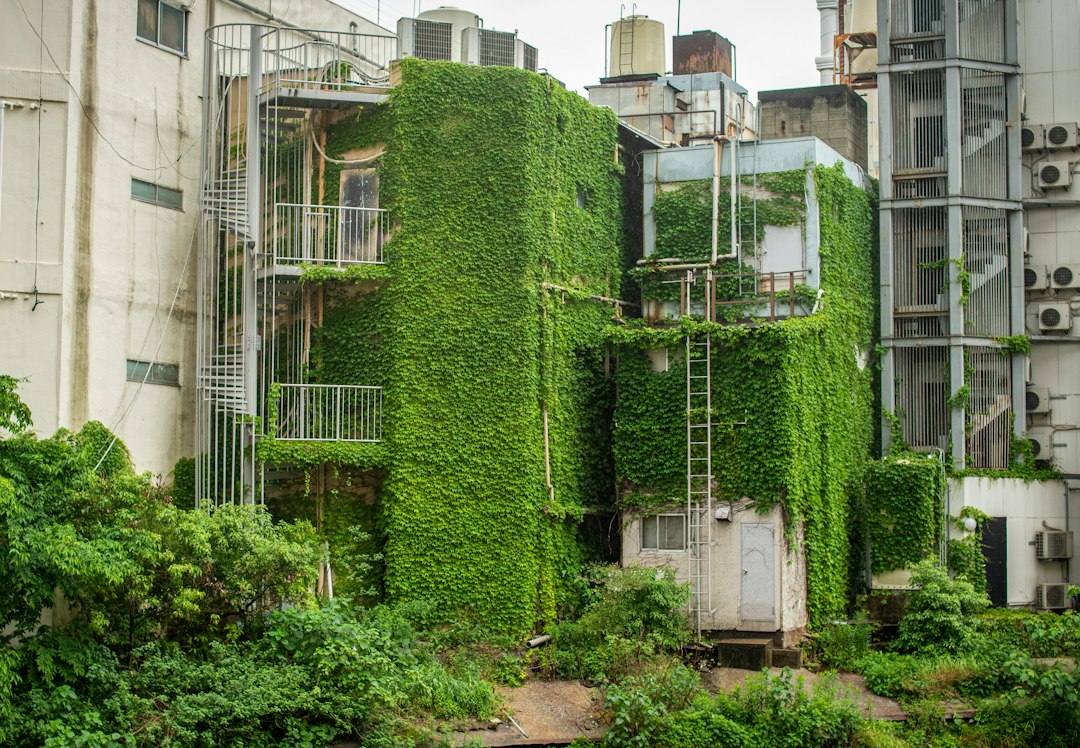



Gardening in Britain continues to develop as households make greater use of outdoor spaces for growing, relaxation, biodiversity and seasonal enjoyment. Across urban courtyards, suburban gardens, allotments and larger landscapes, gardening uk represents a broad and increasingly informed culture of planting and garden care. Current patterns show a stronger interest in productive planting, climate-aware garden design, low-maintenance spaces, wildlife-friendly areas and year-round interest, creating gardens that are both attractive and practical.
Table of Contents
- The Growing Importance of Garden Planning
- Seasonal Gardening Shapes British Growing Patterns
- Productive Gardens Are Becoming More Diverse
- Small-Space Gardening Continues to Expand
- Low-Maintenance Gardening Is Gaining Practical Appeal
- Wildlife-Friendly Spaces Add Long-Term Value
- Climate-Aware Gardening Is Influencing Plant Choices
- Year-Round Garden Interest Is a Major Design Goal
- Sustainable Gardening Supports Better Resource Management
- Garden Design Is Becoming More Personal
- Gardening Knowledge Is Supporting Better Results
- The Future of Gardening in Britain
- Conclusion
The Growing Importance of Garden Planning
Garden planning has become an important part of successful outdoor management. Rather than selecting plants randomly, many gardeners now consider sunlight, soil, drainage, available space and seasonal performance before deciding what to grow.
This approach creates a more balanced garden because every section can serve a clear purpose. Sunny borders can support flowering plants and vegetables, shaded corners can accommodate suitable foliage plants, while patios and containers can provide additional growing areas.
Planning also makes it easier to maintain continuity throughout the year. A garden can be designed with spring bulbs, summer flowers, autumn foliage and winter structure so that the outdoor space remains visually interesting across changing seasons.
The increasing emphasis on planning reflects a wider movement toward gardens that are designed around real conditions rather than temporary trends.
Seasonal Gardening Shapes British Growing Patterns
The British climate naturally creates a strong seasonal rhythm. Planting, pruning, harvesting, lawn care and garden preparation all change as the year progresses.
Spring is associated with renewed growth and preparation. Soil becomes more active, plants begin producing new shoots and gardeners can introduce a wide range of annuals, vegetables and perennials. It is also a productive period for preparing beds and establishing new planting areas.
Summer brings the strongest combination of growth and colour. Flowering borders become more prominent, vegetables develop rapidly and fruit crops begin producing harvests. Water management and regular observation become particularly useful during warmer periods.
Autumn provides an opportunity to prepare the garden for the following year. Bulbs can be planted, mature plants can be divided and fallen leaves can become valuable organic material. Vegetable beds can also be prepared for overwintering crops and future planting.
Winter offers a different type of gardening activity. Structural plants become more visible, garden layouts can be assessed and maintenance projects can be completed before the next growing season begins.
This seasonal cycle gives British gardening a distinctive character and provides continuous opportunities for improvement.
Productive Gardens Are Becoming More Diverse
Food growing remains an important part of home gardening. Vegetables, herbs and fruit can be incorporated into gardens of many sizes, allowing decorative and productive planting to exist together.
Small spaces can be used efficiently with containers, raised beds and vertical structures. Herbs such as parsley, mint, thyme and chives can be grown close to the kitchen, while compact vegetables can be cultivated in dedicated containers or smaller beds.
Larger gardens offer greater flexibility. Vegetable plots can accommodate several crop groups, while fruit bushes and trees can provide longer-term productivity.
One notable advantage of productive gardening is the ability to work with seasonal availability. Gardeners can plan crops according to the time of year, creating a succession of harvests rather than relying on one growing period.
This makes food growing both practical and rewarding while adding another functional layer to garden design.
Small-Space Gardening Continues to Expand
Garden size is not necessarily a limitation when the available area is carefully organised. Compact gardens can use vertical planting, containers, raised beds and multi-level structures to increase growing potential.
Walls and fences can become productive surfaces for climbing plants. Containers can be positioned according to sunlight levels and moved when necessary. Raised beds can provide defined planting zones while making soil management easier.
In smaller outdoor spaces, plant selection also becomes especially important. Plants with multiple seasons of interest can provide greater value than varieties that perform for only a short period.
Evergreen foliage can maintain structure during winter, flowering plants can introduce seasonal colour and edible crops can provide practical benefits.
The result is a more efficient garden where almost every available section contributes to the overall design.
Low-Maintenance Gardening Is Gaining Practical Appeal
A well-designed garden does not need to demand constant attention. Modern garden planning increasingly focuses on selecting plants and materials that reduce unnecessary maintenance while preserving visual quality.
Ground-cover planting can reduce exposed soil and help create a more unified appearance. Mulching can support moisture retention and reduce the need for frequent weed management. Suitable shrubs can provide long-lasting structure without requiring repeated intensive pruning.
Lawn areas can also be designed according to actual use. Where a lawn is primarily decorative, alternative planting or hard landscaping may create a more practical arrangement. Where grass is used for recreation, appropriate mowing and seasonal care can keep it healthy and attractive.
The objective of low-maintenance gardening is not to remove care completely. Instead, it is to make routine garden work more efficient and purposeful.
Wildlife-Friendly Spaces Add Long-Term Value
Gardens can provide valuable habitats for birds, insects and other forms of wildlife. Plant diversity, flowering periods and structural variety can all contribute to a more active outdoor environment.
Flowering plants can offer seasonal food sources for pollinating insects, while shrubs and trees provide shelter and nesting opportunities. A mixture of ground-level plants, taller vegetation and natural features creates several layers of habitat.
Water can also become an important garden element. Even a modest water feature can introduce additional interest and create opportunities for wildlife.
Wildlife-friendly gardening does not require a garden to appear untidy. Carefully selected planting can combine strong visual design with ecological value, creating spaces that remain attractive while supporting natural activity.
Climate-Aware Gardening Is Influencing Plant Choices
Changing weather patterns are encouraging gardeners to think more carefully about water, drainage and plant resilience. Gardens need to accommodate a combination of wet periods, dry spells and changing seasonal conditions.
Plant selection is therefore becoming increasingly important. Gardeners can choose varieties suited to their particular soil and exposure while using mulch and efficient watering methods to support establishment.
Good drainage is equally important. Areas that hold excess water can benefit from improved soil structure, suitable planting or carefully designed drainage features.
Water conservation can also be integrated into garden planning. Rainwater collection, mulching and targeted irrigation can make watering more efficient.
These practices help gardens remain productive while making everyday maintenance more practical.
Year-Round Garden Interest Is a Major Design Goal
A garden that performs across all four seasons can provide significantly greater visual value than one designed around a single flowering period.
Evergreen shrubs and trees can provide structure during winter. Spring bulbs can introduce early colour, followed by summer perennials and flowering shrubs. Autumn foliage, grasses, berries and decorative seedheads can extend interest as temperatures fall.
The combination of different plant forms creates additional depth. Upright plants, spreading ground covers, rounded shrubs and climbing varieties can all contribute to the overall composition.
Gardeners are increasingly considering what their outdoor space will look like throughout the entire year rather than focusing only on peak summer appearance.
This approach encourages more thoughtful planting and creates a garden that changes naturally with the seasons.
Sustainable Gardening Supports Better Resource Management
Sustainability is becoming increasingly connected with everyday garden management. Composting, collecting rainwater, reusing suitable materials and selecting long-lasting plants can all reduce unnecessary resource consumption.
Home composting can turn garden and kitchen organic material into a useful soil amendment. Fallen leaves can also become valuable organic material when managed appropriately.
Long-lasting structures can reduce the frequency of replacement, while locally suitable plants can often establish more effectively than varieties requiring highly specific conditions.
Sustainable gardening is therefore less about following a single method and more about making sensible decisions throughout the life of the garden.
Garden Design Is Becoming More Personal
Modern British gardens increasingly reflect the lifestyles of the people who use them. A family garden may require open space and durable planting, while an urban courtyard may focus on containers and vertical greenery.
Some gardens are designed around food production, while others prioritise relaxation, entertaining or wildlife. Many combine several purposes within the same outdoor area.
Outdoor seating, planting borders, pathways, vegetable beds and decorative features can be arranged to create distinct zones without making the garden feel divided.
This personalised approach gives gardeners greater freedom to create spaces that match their practical requirements while maintaining a strong visual identity.
Gardening Knowledge Is Supporting Better Results
Access to gardening information has made it easier for people to understand plant requirements, seasonal tasks and garden management techniques.
Gardeners can now plan planting schedules, research suitable varieties and learn how different soil conditions affect growth. This encourages more informed decision-making and can reduce unnecessary experimentation.
For beginners, practical knowledge can provide confidence when starting with seeds, containers, vegetables or ornamental plants. Experienced gardeners can use the same information to explore different approaches and refine established routines.
The result is a gardening culture that increasingly values observation, planning and continuous learning.
The Future of Gardening in Britain
The direction of British gardening points toward multifunctional outdoor spaces that combine beauty, productivity and practical management.
Future gardens are likely to place greater emphasis on seasonal planting, resilient plants, efficient water use, wildlife support and flexible design. Compact growing areas will continue to demonstrate that productive gardening does not depend entirely on large plots.
At the same time, traditional gardening principles will remain valuable. Healthy soil, suitable planting times, regular observation and appropriate maintenance continue to form the foundation of successful gardening.
The combination of established knowledge and modern garden planning allows outdoor spaces to become more adaptable and rewarding.
Conclusion
British gardening is evolving into a more thoughtful and versatile practice. Seasonal awareness, productive planting, wildlife support, climate-conscious choices, low-maintenance design and year-round interest are shaping how gardens are planned and maintained.
The strongest gardens are not defined by size or a particular style. They are created by understanding available space, choosing suitable plants and developing a practical routine that works with the seasons.
As gardeners continue to explore new ideas while maintaining proven horticultural principles, outdoor spaces can provide lasting beauty, useful harvests, natural habitats and places for relaxation. The future of British gardening therefore offers considerable potential for gardens that are productive, attractive, sustainable and enjoyable throughout the year.
The Short Version
- Gardening in Britain is increasingly focused on productive planting and climate-aware design to create practical and attractive outdoor spaces.
- Garden planning has become essential, as gardeners now consider factors such as sunlight, soil, and seasonal performance in their planting decisions.
- The British gardening calendar is characterized by distinct seasonal activities, with specific tasks for spring, summer, autumn, and winter.
- Food growing remains significant in home gardening, with a trend towards incorporating vegetables, herbs, and fruits into smaller and larger spaces alike.
- Small gardens are increasingly being designed using vertical planting and multi-level structures to expand their growing potential.
- Low-maintenance gardening is gaining popularity by emphasizing the selection of plants that require less attention while maintaining visual appeal.