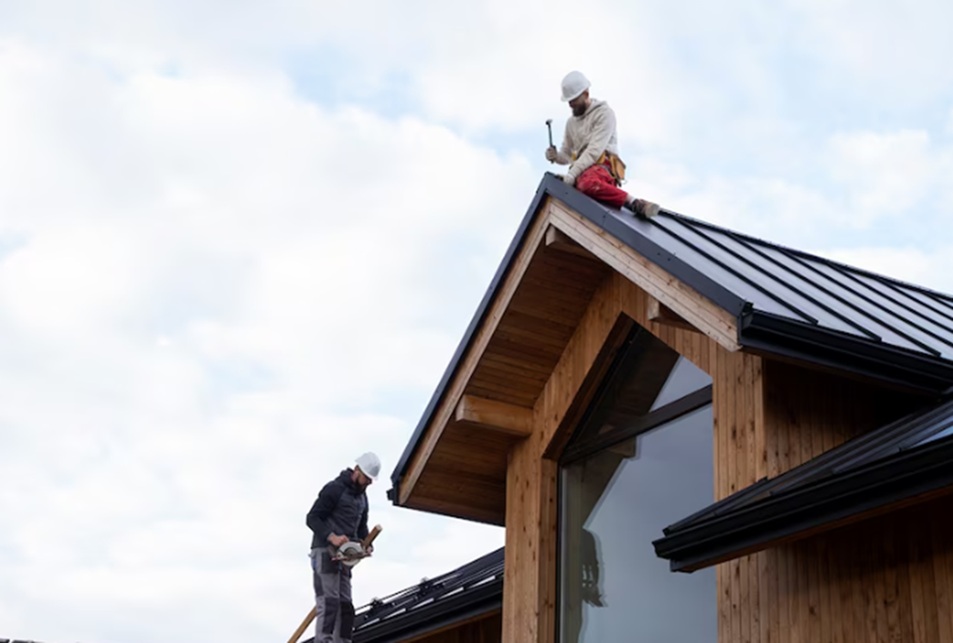


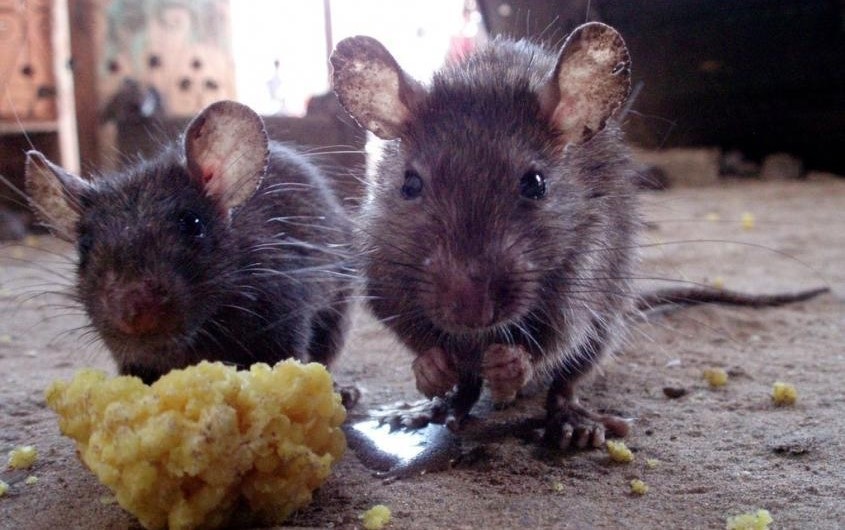

Although the area south of 75th Street has seen some impressive residential growth over the last 10 years, many of those neighborhoods have begun to settle. But the building boom creates a nuisance for homeowners: an invading horde of soil-burrowing pests. With the ground disrupted, drainage patterns altered, and soil layers exposed, the perfect habitat for something seeking a new home is created.
According to the City of Naperville’s 2023 building permit data, over 340 new single-family homes were permitted in South Naperville alone, meaning hundreds of properties are at risk of pest problems. However, if you find that the area around your new construction is booming with unwanted activity, teaming up with local pest control experts can stop concerns before they escalate into infestations.
How Disturbed Soil From Construction Creates Temporary Pest Havens
-
The Soil Disruption Effect
When the heavy machinery starts moving dirt to prepare the ground for new homes in South Naperville, it is not just moving dirt; it is moving entire underground ecosystems. Formerly established boundaries for pests are suddenly displaced and forced to find new homes.
-
Compaction Zones and Air Pockets
Soil density is uneven due to the construction equipment. Where filling is compacted, pests are pushed out; in loosely filled areas, they will want to nest. These air pockets provide both shelter and ready paths for tunneling.
-
Moisture Accumulation Points
New build changes the way water drains from a site. More moisture stays in exposed soil near foundation excavations, particularly in clay-rich South Naperville. It provides perfect conditions for moisture-loving pests.
-
Exposed Root Systems
Dig up the ground that has previously existed in peace with tree roots and plants. Such mangled roots attract wood-boring insects and provide food for various animals that tunnel through the ground.
-
Construction Debris as Shelter
Immediate shelter is provided by temporary wood piles, stored materials, and construction waste strewn across South Naperville build sites. To make matters worse, pests move in quickly and build nests before homeowners even realize.
-
Temperature-Regulated Microenvironments
Temperature fluctuations occur near foundations due to disturbed soil. In terms of Naperville’s climate, south-facing excavations warm earlier in the spring, giving pests that emerge from winter dormancy a jump-start before the surrounding area warms.
Common Pests That Come During Construction
Several troublesome species are often attracted to new construction sites in South Naperville. One of the most common varieties, ground-nesting carpenter ants, is attracted to lumber and soil moisture near your foundation. When grasslands become disturbed, so do voles and field mice as they make their way to fresh landscapes, even those in yards or near foundations.
The most common culprits include:
- Cicada killer wasps – Make a tunnel in loose, sandy soil near new lawns
- Predaceous ground beetles – Hide in mulch beds and disturbed soil
- Millipedes – Found in numbers in moist soil next to new concrete foundation walls
- Termites – Drawn to wood remnants or construction debris that is high in cellulose
Prevention Steps That Actually Work for South Naperville Build Zones
- Grade your property away from the foundation – Maintain at least 6 inches of drop over a length of 10 feet to avoid water pockets that provide a breeding place for pests
- Remove all construction debris promptly – Wood scraps, cardboard, or organic material should not be left on-site in excess of one week
- Install proper drainage systems early – Prior to final landscaping, install French drains and gutters to help control moisture.
- Seal foundation cracks immediately – New concrete has tiny gaps that become pest entryways as the structure settles.
- Use gravel barriers around the foundation – A stone border makes digging and burrowing difficult, and contact with moisture
When Professional Help Makes Sense for a Growing Community
Given Naperville’s growing population, upwards of 149,000 residents, as well as the continued tangible development in the southern corridor, pest pressure does not seem to be going anywhere. Construction-related infestations require specialized knowledge of local soil conditions and pest behaviour patterns to truly solve the problem, while DIY methods may work for minor issues. Pointe Pest Control has been serving Naperville for years and understands that DuPage County’s unique clay soil and construction practices create unique pest problems. Their inspections identify trouble spots before pests form colonies, which can be especially important during construction.