

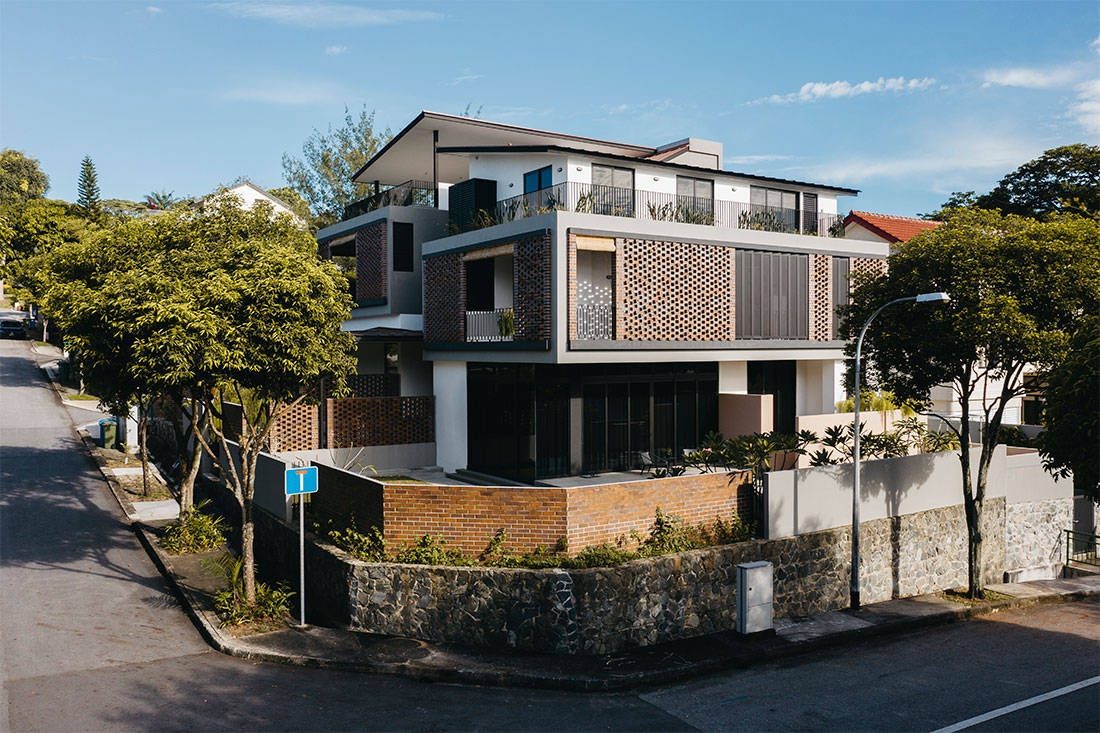


Singapore’s housing market has long been influenced by family needs, but the nature of family itself is changing. With rising life expectancy and evolving social dynamics, multi-generational living is becoming more common. In many households, three generations may live under one roof or within the same neighbourhood, blending childcare, eldercare, and daily life into a shared space.
This shift is influencing residential demand in subtle but meaningful ways. Buyers and renters are increasingly prioritising homes and neighbourhoods that support family cohesion, convenience, and long-term stability.
The Practical Reality of Multi-Generational Living
Multi-generational living in Singapore is often driven by practical considerations rather than cultural preference alone. Shared living arrangements can reduce childcare costs, provide elder support, and improve household resilience during economic uncertainty.
However, these arrangements also require homes that can accommodate different needs—privacy for adults, safe spaces for children, and accessible features for older residents. As a result, residential design and neighbourhood planning are being reassessed through a more complex lens.
Developments such as Hudson Place Residences reflect a broader trend toward homes that support flexible family living through thoughtful layouts and access to nearby amenities.
Space Planning for Multiple Generations
One of the most significant implications of multi-generational living is space planning. Homes must balance shared areas with private zones, ensuring that each household member can maintain comfort and independence.
Practical layout considerations include separate bedrooms, flexible common spaces, and efficient storage. In high-density Singapore, where space is limited, the ability to make the most of available area becomes a defining feature of long-term liveability.
Developments in established residential districts often benefit from more mature planning, where unit sizes and layouts are designed to support family living over time.
Neighbourhoods That Support Family Routines
Beyond the unit itself, neighbourhood characteristics play a crucial role. Multi-generational households tend to prioritise neighbourhoods that support daily routines—schools, clinics, markets, and family-friendly amenities within easy reach.
This is why mature residential areas remain popular among families. The neighbourhood ecosystem has already developed around daily needs, reducing the need for long travel and simplifying daily life.
Dunearn House, located within established residential corridors, benefits from this stability. Families value neighbourhoods where amenities and routines have already been established over time.
Accessibility and Mobility for All Ages
Multi-generational living also increases the importance of accessibility. Homes need to support mobility for older residents, including step-free access, lift availability, and proximity to public transport.
Singapore’s public transport network plays a critical role in supporting intergenerational living, enabling older family members to remain active and connected. Neighbourhoods that offer accessible transport options support independence, reducing reliance on private vehicles.
As a result, homes located near MRT stations and bus routes continue to be highly valued across demographic groups.
Shared Amenities and Community Support
Shared amenities play an important role in supporting multi-generational households. Communal spaces such as parks, playgrounds, and community clubs provide opportunities for intergenerational interaction and support.
Community clubs, in particular, offer programmes for seniors and children alike, supporting social engagement and wellbeing. These shared spaces strengthen neighbourhood cohesion and make daily life more manageable for families.
Neighbourhoods with strong social infrastructure often experience more stable demand, as residents appreciate the added support systems.
Long-Term Stability and Housing Demand
Multi-generational households often seek stability. Frequent relocation can disrupt family routines, schooling, and support networks. As a result, families are more likely to prioritise homes that provide long-term continuity.
This contributes to steadier demand in mature residential areas. Rather than chasing new developments, families often prefer neighbourhoods where amenities and community networks are already established.
Over time, this stability contributes to residential value that is less sensitive to short-term market fluctuations.
Investment Perspective: Broader Tenant Appeal
From an investment standpoint, multi-generational living can broaden tenant appeal. Properties that support family living tend to attract longer-tenure tenants, including local households and expatriate families seeking stability.
Longer lease durations reduce vacancy risk and contribute to more predictable rental income. Additionally, family-oriented properties often benefit from consistent demand even during market slowdowns.
This is one reason why homes located within mature, family-friendly neighbourhoods maintain strong appeal over time.
Conclusion
As family structures evolve, so too does residential demand. Multi-generational living is reshaping how Singaporeans evaluate homes and neighbourhoods, placing greater emphasis on long-term convenience, accessibility, and community support.
Developments such as Hudson Place Residences and Dunearn House reflect this broader shift, offering environments that support family cohesion through practical design and established neighbourhood amenities.
In a city where daily life is shaped by proximity and routine, multi-generational households are redefining what “home” means—turning residential choices into long-term decisions that support family continuity, comfort, and shared living across generations.