






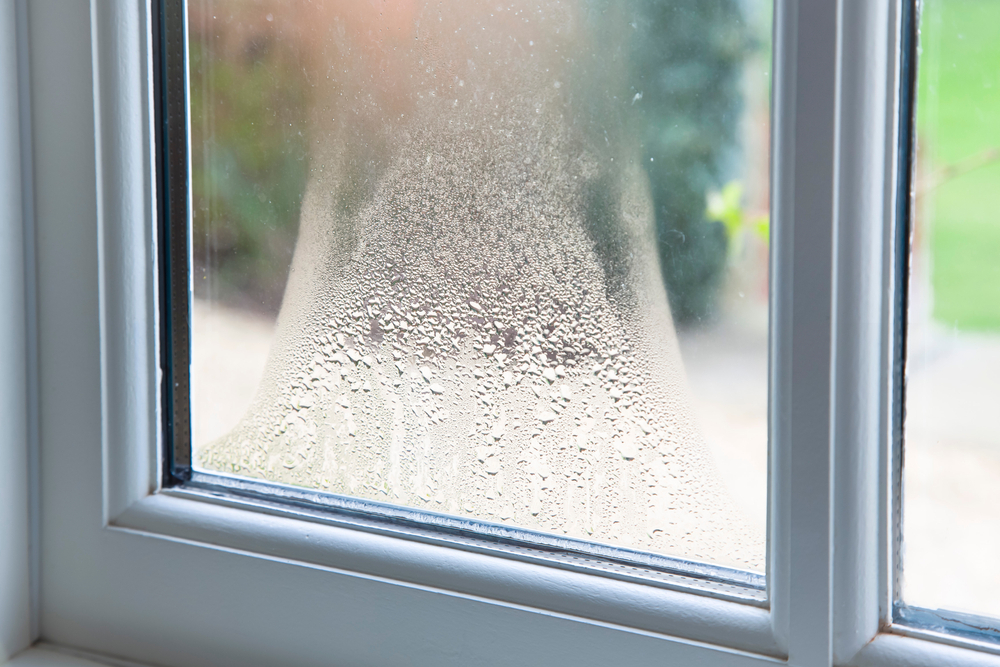
Condensation is one of the most common winter problems homeowners face, and many do not realize how damaging it can be. When warm indoor air touches a cold surface like a window, wall, or ceiling, moisture forms. This moisture might look like a light mist at first, but it can lead to mold, wood rot, peeling paint, and long-term structural damage. Learning how condensation forms and how to prevent it is key to keeping your home healthy during cold weather.
Why Condensation Is Worse in Winter
In winter, homes stay closed up and heated for long periods. Warm air holds more moisture, and everyday activities like cooking, bathing, and even breathing add humidity into the air. When this moist air hits a cold surface, the moisture turns into water drops.
Windows are the most common place to see this happen, but condensation also forms on cold walls, ceilings, and even inside attics. If the moisture continues day after day, it begins to soak into wood, drywall, and insulation.
Warning Signs That Condensation Is Becoming a Problem
Many homeowners ignore the early signs of condensation, but catching it early can prevent expensive repairs. Look for foggy windows, water running down the glass, peeling paint around window frames, or dark spots forming on walls. These dark spots can sometimes be the first signs of mold.
Ceilings can also show signs of condensation damage. If you notice paint bubbling, cracking, or sagging areas, moisture may be gathering above. In bathrooms, condensation often collects on walls after showers, and without proper ventilation, this moisture can spread to other areas.
How to Prevent Condensation in Your Home
Reducing indoor humidity is the best way to fight winter condensation. Using bathroom and kitchen exhaust fans helps remove moisture from the air. A dehumidifier can also keep humidity at a safer level, ideally between 30 and 50 percent.
Improving airflow makes a big difference. Open curtains or blinds during the day so air can move across windows. Avoid placing furniture directly against exterior walls, since trapped air creates cold spots where moisture forms. Adding insulation to walls and attics can also keep surfaces warmer and reduce condensation.
If you have older windows, consider upgrading to energy efficient models that stay warmer on the inside. Even applying plastic insulation film can help reduce cold surfaces during the winter.
What to Do If Moisture Has Already Caused Damage
If you find mold or soft areas on walls or ceilings, do not ignore it. Mold grows quickly and can spread to other parts of your home. Start by cleaning small spots with mild detergent and drying the area completely. Avoid using bleach on painted walls because it can damage finishes.
If the damage is more serious, especially if walls feel soft or mold keeps returning, call a professional restoration company. Hidden moisture behind the wall may be feeding mold that you cannot see. Professionals can use specialized tools to locate the problem and safely remove damaged materials.
Why Professional Restoration Is The Safe Choice
Moisture from condensation can travel deep into drywall, insulation, and wood framing. Even if you clean the surface, the hidden moisture may still be there. Professional restoration teams have moisture meters, thermal cameras, and industrial drying equipment that can stop the damage before it spreads.
“Condensation may seem harmless at first, but it can lead to serious long-term damage if not handled correctly,” says David Rogers, owner of Michigan based Service Pro Restoration. “Our team helps homeowners find the hidden moisture that often goes unnoticed.”
Keeping Your Home Dry and Healthy All Winter
Condensation might start small, but it should never be taken lightly. By managing humidity, improving ventilation, and watching for early signs of damage, you can prevent mold and protect your home’s structure. With the right steps and quick action when moisture appears, your home can stay safe, dry, and comfortable throughout the winter.

