



 As the globe moves toward renewable energy, solar panels have become a popular household and business energy alternative. Many prospective consumers worry about solar panel performance in harsh weather. This page addresses typical concerns regarding these systems’ efficiency and endurance in snowy, rainy, and excessively hot regions.
Performance in Snow
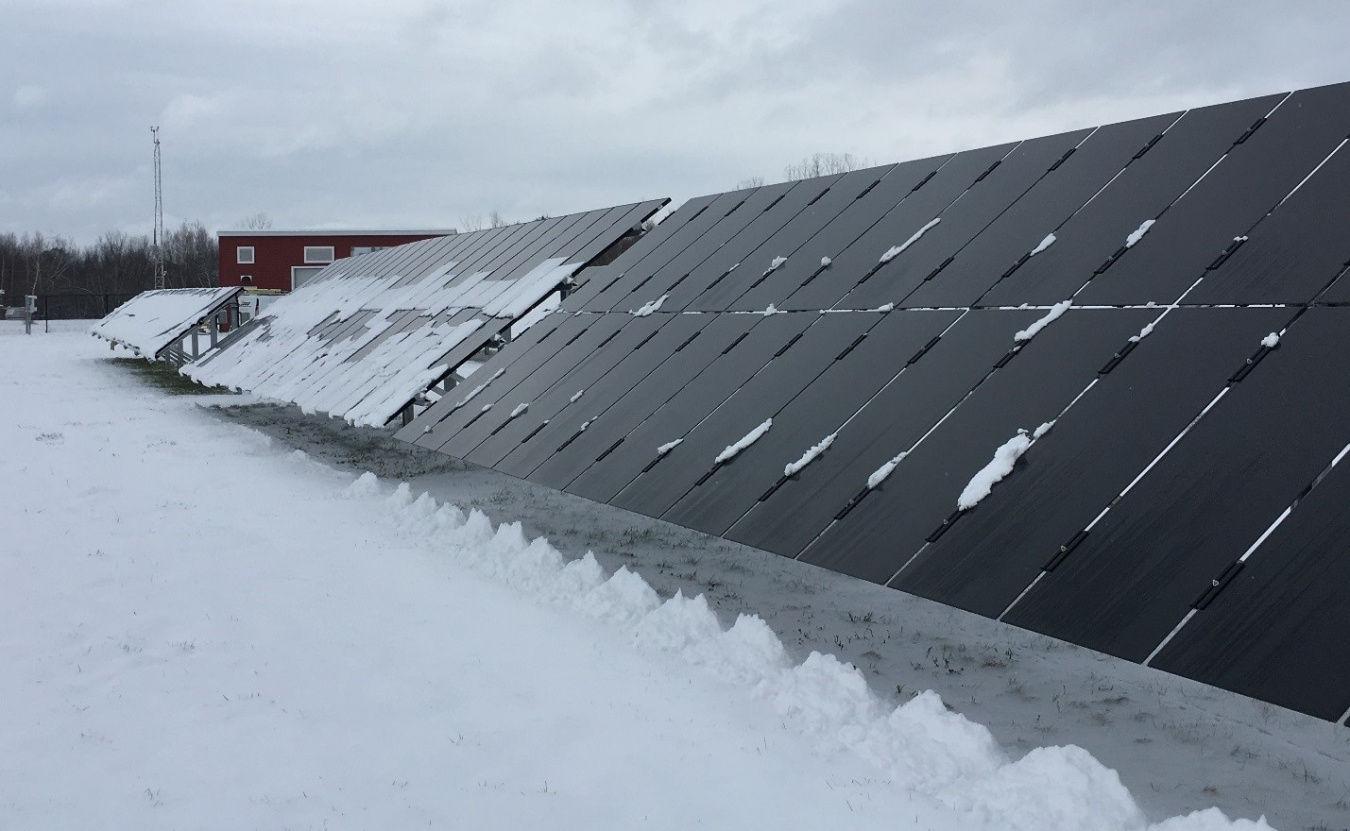
Many fear that snow may hinder solar panel operation. Heavy snow may hinder sunlight from reaching solar cells, thus it’s a genuine worry. However, solar panels are built for such conditions. Most panels have flat glass surfaces that glide snow off. Solar panels shed snow better than flat surfaces due to their tilted placement.
Efficiency on Rainy Days
Rainy weather raises solar panel efficiency concerns. The prevalent belief that solar panels cannot work under rain is false. Indeed, rain may benefit Gulf Coast solar panels. Rain first cleans the panels by eliminating dust, grime, and debris that might block solar absorption. Cleaner panels are more efficient, which may boost production in summer.
Like snow, solar panels can capture diffuse light on wet days. Due to protective coatings and sturdy designs, many high-quality solar panels can endure heavy rain and humidity. High Ingress Protection (IP) ratings imply water and dust resistance. Some studies demonstrate that solar panels may still produce 10–25% of their optimum efficiency under wet circumstances, helping to meet energy needs.
High-temperature resilience
Heat affects photovoltaic cell performance, making high temperatures difficult for solar panel efficiency. Solar panel efficiency drops 0.5% each degree Celsius over 25°C (77°F). This impact may reduce productivity significantly on hot days, worrying homeowners in hotter areas.
However, technology has made solar panels more heat-resistant. Monocrystalline high-efficiency panels perform better in hot temperatures. Furthermore, good installation may considerably reduce heat-related performance difficulties. For instance, installing panels with enough ventilation helps keep them cooler. In intense heat, greater Thermal Resistance Rating solar panels may improve performance and system longevity.
Maintainability and Durability
Consumers prioritize solar panel performance and harsh weather endurance. Modern solar panels are made of weatherproof materials. Most panels can withstand hail, strong rain, and heavy snowfall. Industry-standard tests imitate harsh conditions to ensure panel endurance.
To maximize efficiency and lifetime, frequent maintenance is necessary. Homeowners should check their systems twice a year for debris, damage, and grime, particularly after harsh weather. To maintain energy production during snowstorms, monitor snow buildup and remove surplus snow. Modern solar panels are stable and efficient even in tough conditions due to their little maintenance and strong construction quality.
Investment in Weatherproof Solar Panels
Finally, solar panels work well in snow, rain, and heat. Solar panels are a reliable renewable energy source even in heavy snowfall or rain. Technology has made them more resistant to harsh weather and high temperatures.