




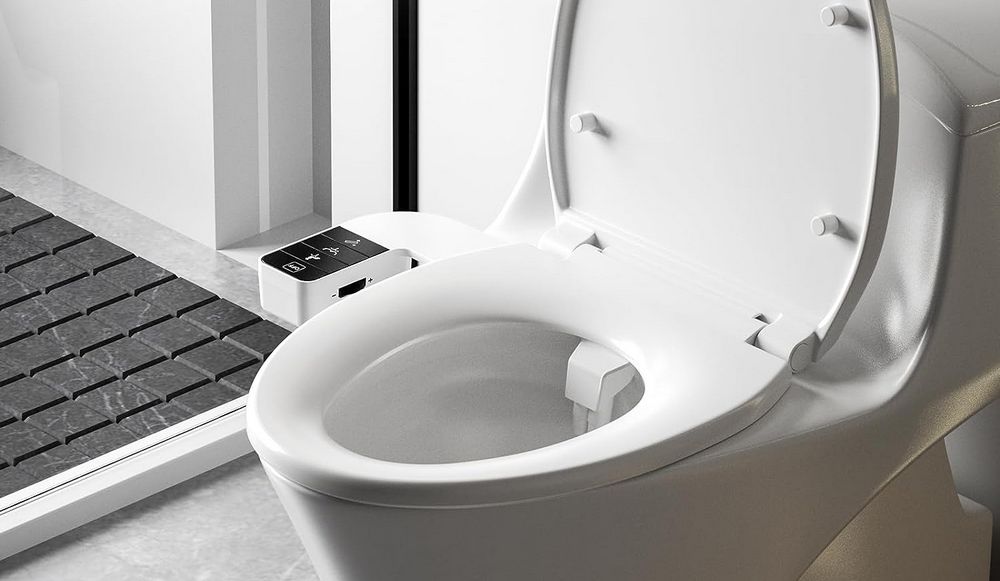
The modern bathroom is no longer just a functional space; it’s a sanctuary. If you’re looking to elevate your daily routine and inject a touch of European luxury into your home, chances are you’ve been considering a bidet. These fixtures offer superior hygiene, minimise reliance on toilet paper, and frankly, make the whole experience a lot more pleasant. But moving from contemplation to reality requires a clear plan, especially when it comes to the logistics of adding plumbing and electrical components.
For most homeowners, ensuring the job is done right means relying on the experts. Whether you are building a new place or retrofitting an existing loo, getting professional bidet installation services ensures compliance with local council regulations and Australian plumbing standards. It’s a job best left to the qualified tradies, trust us!
Why a bidet is a game changer for your home
So, why are more homeowners making the switch? Beyond the undeniable cleanliness factor, bidets offer surprising benefits that contribute to overall household efficiency and comfort. Think about the environmental impact of cutting down on paper products, or the sheer convenience during those busy weeks when the supermarket shelves are looking a bit bare. Installing a bidet is an investment in personal comfort and modern convenience.
Furthermore, contemporary bidet designs are sleek. They don’t look like the clunky fixtures you might imagine from old European movies. Modern integrated units are beautifully streamlined, often featuring remote controls, heated seats, and drying functions, turning a basic visit to the toilet into a spa-like experience. This level of sophistication requires careful planning for the bidet installation itself, ensuring both water and power supplies are correctly routed.
Choosing the right type of bidet
Before you dive headfirst into the world of heated seats and adjustable water pressure, you need to decide which style works best for your current bathroom setup. This choice significantly impacts the complexity of your bidet installation.
- Integrated toilet systems: These are the ultimate luxury. The toilet and bidet functions are combined into one seamless unit. They look fantastic but usually require extensive plumbing adjustments and dedicated electrical wiring.
- Bidet seats (attachments): These clever devices replace your existing toilet seat and often only require connection to the existing water supply line behind the toilet, plus an accessible power point. They offer a great balance of features and simpler bidet installation.
- Handheld sprayers (shatafa): The most straightforward option, requiring only a simple connection to the water supply pipe near the toilet. While they don’t offer the heating or drying features of electronic models, they are highly effective and the easiest option for a quick bidet installation.
Understanding the process of bidet installation
The actual process of bidet installation varies depending on the unit you choose, but generally involves similar steps focusing on water safety and electrical integrity. If you are opting for an electronic model, you must ensure you have a dedicated power circuit nearby. Plumbing requirements are non-negotiable; backflow prevention devices are essential to ensure wastewater cannot contaminate the main water supply.
When budgeting for your upgrade, it’s important to research the full scope of work. Many people ask about the bidet installation cost, which is determined by whether the plumber needs to run new pipes, the complexity of electrical wiring, and the specific model being fitted. A basic handheld sprayer bidet installation will naturally cost far less than fitting a fully integrated, wall-mounted unit that requires tiling work and concealed plumbing.
Working with qualified tradies
We’ve all seen DIY projects go sideways. When water and electricity are involved, safety should always be your number one priority. Hiring qualified, licensed plumbers and electricians is crucial. They understand the nuances of local building codes and the specific requirements for water pressure and electrical load that a modern bidet demands.
Moreover, professional tradies ensure that the finished job is neat and tidy. Nobody wants visible wiring or pipework cluttering up their newly optimised bathroom. They will organise the necessary components, ensuring the new fixture fits perfectly into the existing bathroom centre and that the aesthetic finish complements your design.
If you’re unsure about the complexity of your chosen model or concerned about hidden costs, always request a detailed quote outlining the full scope of the bidet installation before any work commences. This transparency is key to a smooth renovation journey.
FAQs about bidet installation
Is bidet installation a diy project?
While basic, non-electric attachments might seem suitable for DIY, we strongly advise against it, especially for electronic models. Licensed plumbers and electricians must handle integrated systems to ensure compliance with water safety standards (like backflow prevention) and electrical regulations. Professional bidet installation is the safest route.
Do i need an electrician for a bidet?
Yes, if you choose an electronic bidet seat or an integrated smart toilet. These units require power for heating the water, running the dryer, and operating the controls. A licensed electrician must install a dedicated, protected power point near the toilet location.
How long does bidet installation take?
For a standard electronic bidet seat attachment where a power point is already nearby, the plumbing portion of the bidet installation can take as little as one to three hours. However, fitting a brand new integrated bidet toilet system might take a full day or more, especially if new tiling or extensive plumbing modifications are required.
Does installing a bidet require council approval?
Generally, minor plumbing alterations like installing a bidet seat attachment do not require specific council approval. However, if the bidet installation involves major structural changes, relocating the toilet entirely, or significant electrical work, you should check with your local council regarding necessary permits before starting the programme of works.
Are bidets compatible with all toilets?
Most bidet seats are designed to fit standard round or elongated toilet bowls. However, some skirted or unusually shaped toilets may not accommodate a standard bidet seat. Always check the specifications and measurements of the bidet against your existing toilet before purchasing.