






White mold on concrete surfaces can be unsightly and potentially harmful if left untreated. It often appears in damp, poorly ventilated areas such as basements, garages, patios, or driveways. While white mold on concrete may not always indicate a severe problem, it can damage concrete over time and create an unhealthy environment. Understanding how to remove it safely and effectively is crucial.
Identifying White Mold on Concrete
White mold often looks powdery or fuzzy and can cover concrete surfaces in patches. Unlike dirt or efflorescence, which leaves a chalky residue, white mold spreads and may appear in damp or shaded areas. It thrives in high-moisture environments and can sometimes accompany musty odors. Early detection is important to prevent extensive growth and potential structural damage.
DIY Methods for Removing White Mold
Several effective DIY approaches can help remove white mold from concrete. These methods work best for minor infestations and when proper safety precautions are followed.
- Cleaning with Vinegar
Vinegar is a natural antifungal agent. Mix white vinegar with water in a 1:1 ratio and apply it directly to the moldy surface. Let it sit for 30 minutes, then scrub with a stiff brush. Rinse thoroughly with water and allow the concrete to dry completely. - Using Baking Soda
Baking soda is another safe and effective option. Mix two tablespoons of baking soda with a cup of water to create a paste. Apply it to the affected area and scrub with a brush. Baking soda not only removes mold but also helps prevent future growth by absorbing moisture. - Hydrogen Peroxide Treatment
A 3% hydrogen peroxide solution can effectively kill mold spores. Spray it onto the concrete, let it sit for 10–15 minutes, then scrub and rinse. Hydrogen peroxide is particularly useful for penetrating porous concrete surfaces. - Proper Ventilation and Drying
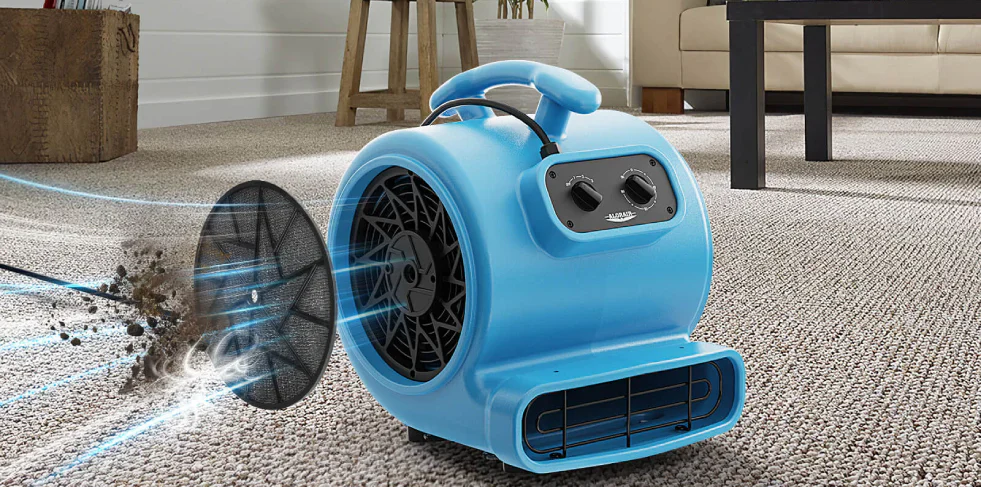
After cleaning, ensure the area is well-ventilated and dry. Moisture control is key to preventing mold from returning. Use dehumidifiers or fans in enclosed spaces like basements or garages.
Professional Tips for Persistent or Large Infestations
For extensive mold growth or situations where DIY methods are insufficient, professional intervention may be necessary. Experts have access to specialized tools and treatments that ensure thorough mold removal.
- Pressure Washing – Professionals often use high-pressure washers to clean large concrete surfaces efficiently, removing mold embedded deep within the porous material.
- Commercial Mold Removers – Professional-grade cleaning solutions can penetrate tough mold colonies and prevent regrowth for extended periods.
- Surface Sealing – After mold removal, sealing concrete with a water-resistant sealant helps protect against future moisture infiltration and mold formation.
- Safety Protocols – Professionals follow strict safety measures, including wearing protective gear and containing mold spores to prevent contamination of surrounding areas.
Preventing Mold Recurrence
Preventing white mold from returning is as important as removing it. Key strategies include:
- Improving drainage around outdoor concrete areas to reduce standing water
- Ensuring basements and garages are properly ventilated
- Regularly cleaning concrete surfaces to remove organic debris that can encourage mold growth
- Using moisture barriers or sealants on porous concrete surfaces to limit water absorption
Conclusion
Removing white mold from concrete requires a combination of careful cleaning, moisture control, and preventative measures. DIY methods like vinegar, baking soda, and hydrogen peroxide can effectively handle minor infestations, while professional treatments are recommended for larger or persistent mold growth. Maintaining clean, dry, and well-ventilated spaces is essential to prevent future mold problems. By addressing white mold promptly and following these tips, concrete surfaces can remain safe, clean, and visually appealing.