





A sinking or uneven deck isn’t just an eyesore—it’s a potential safety hazard. On occasion, exposure to the analyses, soil movement, or deficient building can cause parts of a deck to become uneven. If abandoned unaddressed, these issues can worsen, superior in valuable repairs or even a total replacement. Understanding the causes, recognizing the early signs, and being aware of how to fix them can help you fix your deck’s security, efficiency, and appeal.
Here’s a detailed guide to diagnosing and repairing a falling or uneven deck..
Damage Detection
Begin by checking your deck completely. Look for:
- Uneven gaps between decking boards
- Posts leaning or attracting away from the building
- Stairs or railings that not no more sit level
Check Footings and Support Posts
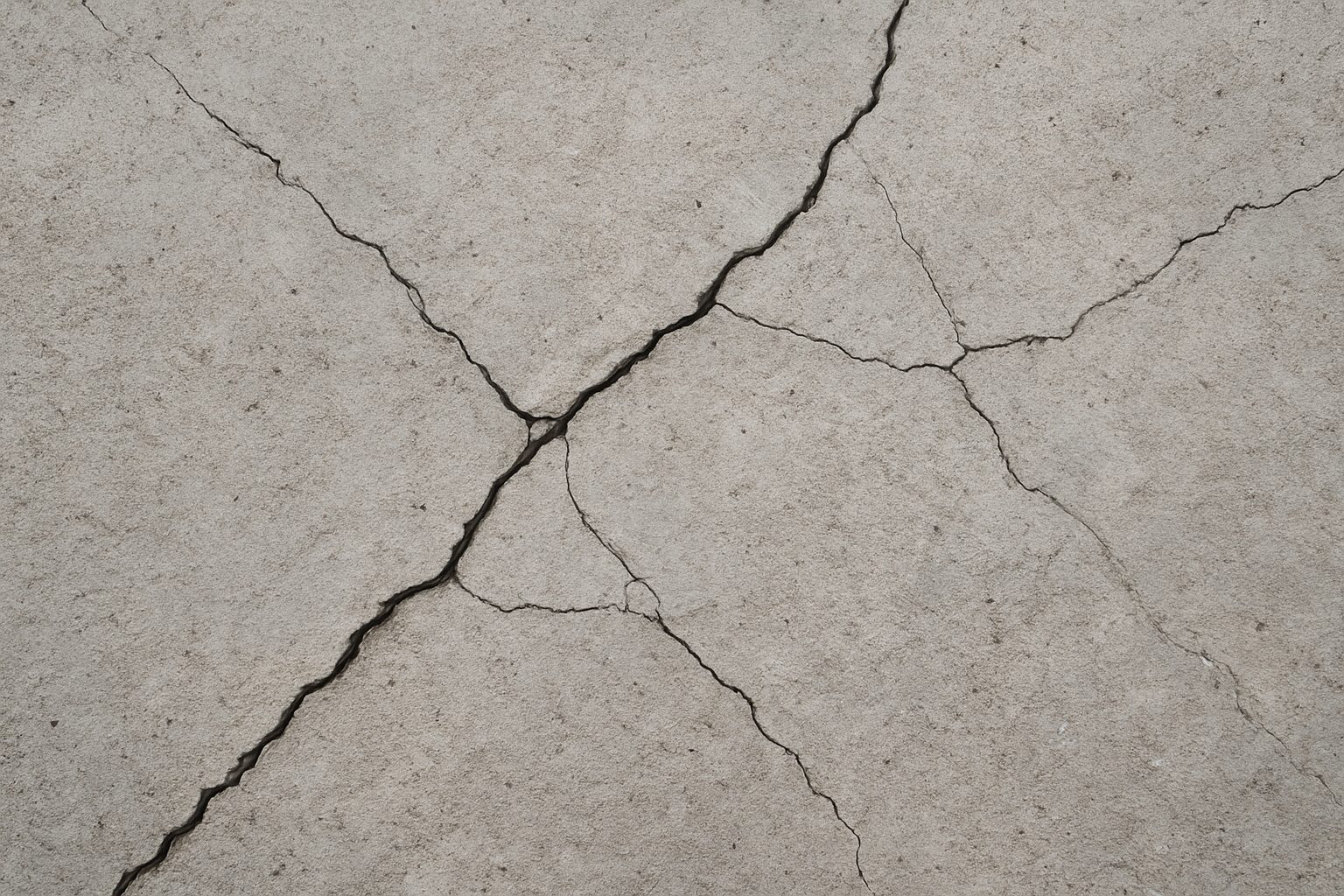
To correct this, you may need to repair or reinforce the footing system. This process could contain digging deeper dents, pouring new factual, or using alterable deck supports. You can also consult with deck builders like decksforlife.ca.
For decks constructed on uneven or soft soil, consider curling piers—steel shafts trained deep into stable ground to provide general support.
Straighten or Replace Posts
Support posts bear the burden of your deck, so if they’re corroded, cracked, or leaning, replacement should be.
- Jack up the affected extent of the deck cautiously using a hydraulic jack and provisional support beams.
- Remove the damaged post, supply it with a new pressure-treated post, and guarantee it’s plumb (vertically straight).
- If possible, increase posts on metal post anchors alternatively, directly into the ground to avoid future rot and moisture damage.
This repair strengthens your form and restores proper adjustment.
Level the Deck Surface
After sustaining the structure, reconsider the deck surface for levelness. Adjust as necessary by:
- Raising or threatening posts using alterable bases
- Shimming joists where narrow gaps exist
- Reattaching decking boards that have fluctuated or warped
Always guarantee that stairs and rails remain even and secure all along adjustments.
Improve Drainage Around the Deck
To prevent future sinking, address water management issues about the deck. Avoid establishing vegetation that retains excess water near support posts.
Proper seepage is one of ultimate effective habits to prevent soil deterioration and footing instability.
Regular Inspection
Schedule regular inspections to catch early signs of:
- Soil movement or combining water
- Rusting fasteners or brackets
- Wood decay, exceptionally near ground contact points
Clean and seal your decking exactly to reduce dampness absorption and extend the structure’s lifespan.
Contact an Expert
A licensed deck contractor can:
- Assess soil cohesion and footing design
- Recommend secure jacking and leveling methods
- Reinforce or rebuild portions according to construction codes
Conclusion
A sinking or uneven deck doesn’t always mean a total restoration—but that should never be avoided. By recognizing the latent cause, sustaining the supports, and strengthening the construction, you can replace your deck’s honor and security for years to come.
Regular support and correct seepage will hold your adornment level, secure, and ready for countless rustic importance. With the right way, even a sinking deck can rise again—stronger and more reliable than before.