


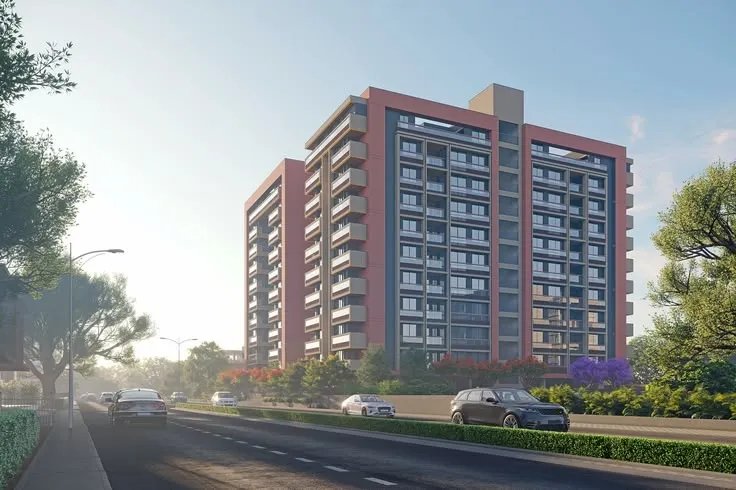




Toy bins have a way of taking over a living room. First it is one basket, then three, then a tent nobody remembers buying. Families shopping at places like Chencharu Central Residences often start with one question: do we need two bedrooms or three? The answer shifts with every new chapter at home.
Neither choice is wrong. Each one trades space against cost and upkeep. This article compares both layouts across six everyday areas, so you can match a floor plan to the life you actually lead, not the one in the brochure.
Space and Daily Comfort
A two bedroom unit usually suits a couple with one child, or a small family that likes things compact. Rooms are tighter, but everything sits close. Parents hear the kids, and cleaning takes less time.
Three bedrooms give each person a door to close. That matters when homework, calls and bedtime collide. Extra floor area also means extra dusting, though. More space feels lovely until you have to fill it and keep it tidy.
Budget, Loans and Running Costs
Price is the first gap you will notice. Three bedroom units cost more to buy, and the loan runs higher too. Monthly bills follow, since bigger homes use more power for lights and cooling.
Do the sums slowly. Add property tax, upkeep fees and furnishing for the extra room. Then ask what you can comfortably carry if one income dips. A smaller home you can afford with ease often beats a larger one that keeps you tense every month.
Room for Kids as They Grow
Toddlers happily share. Teenagers do not. A shared room that works at four can become a daily argument at fourteen. Think about ages, genders and how many children you plan to have.
Two bedroom homes can still stretch. Bunk beds, sliding partitions and clever storage buy a few extra years. Buyers weighing Fablewoode Residences against other projects often study these floor plans closely, since a flexible layout can delay a costly move.
Working From Home and Guests
Remote work changed the brief. A spare room can become an office, and a quiet door makes video calls far less awkward. In a two bedroom home, a desk in the living area has to do the job.
Guests matter too. Grandparents may visit for weeks, not days. A third bedroom handles that easily. Without it, a sofa bed works, though privacy takes a hit. Be honest about how often visitors really stay.
Layout Details Worth Checking
Square metres do not tell the full story. A well drawn two bedroom can feel larger than a clumsy three bedroom. Check where doors swing, how far the kitchen sits from the dining table and whether corridors waste space.
Look at windows and airflow, too. Dark inner rooms feel small no matter their size. Bring a tape measure to the show flat and test furniture sizes before you fall for the styling. Beds, wardrobes and cots are bigger in real life.
Resale and Rental Appeal
Three bedroom units attract families, who tend to stay longer and look for good schools. Two bedroom homes draw couples, small households and investors, so demand stays broad and steady.
Neither type guarantees gains. Location, condition and timing play large roles. Still, a sensible layout helps any home sell more easily. Rooms that fit real beds and real desks always look better on a viewing day than clever sketches.
Conclusion
A two bedroom home keeps costs lower and life simple. A three bedroom gives breathing room and flexibility. The right pick depends on your budget, your children and how you work and host. Also think about how long you plan to stay before moving again. Upgrading later comes with heavy stamp duties, legal fees, and renovation expenses that can quickly wipe out any early savings from buying smaller. If your household is likely to grow within the next few years, stretching slightly for that third bedroom today often costs less than trading up down the road.
Compare plans from options like Central Residences or Residences, then picture a normal Tuesday evening in each. Choose the home that makes that evening easier. Everything else is secondary. At the same time, never let future what-ifs push your monthly mortgage into uncomfortable territory. A slightly tighter two bedroom unit with manageable repayments lets you sleep well, travel, and enjoy your neighborhood without financial stress. The best layout is always the one that fits both your daily routine and your long-term peace of mind.
The Short Version
- Two bedroom units are suitable for small families or couples and provide closer proximity, which aids in supervision and cleaning.
- Three bedroom units generally come with higher costs, including purchase price, loan amounts, and monthly utility bills.
- Teenagers may require their own space as shared rooms can lead to conflicts, making two bedroom homes less ideal as children grow older.
- A spare room in a three bedroom unit can serve dual purposes as an office for remote work or guest accommodation, enhancing its utility.
- Two bedroom homes are favored by couples and investors, while three bedroom units attract families looking for stability in school districts.
- Future financial considerations, such as potential household growth and the costs associated with upgrading to a larger home, should guide the decision between two and three bedroom units.